WMSA - United States
Protecting the Spectrum That Powers Live Experience
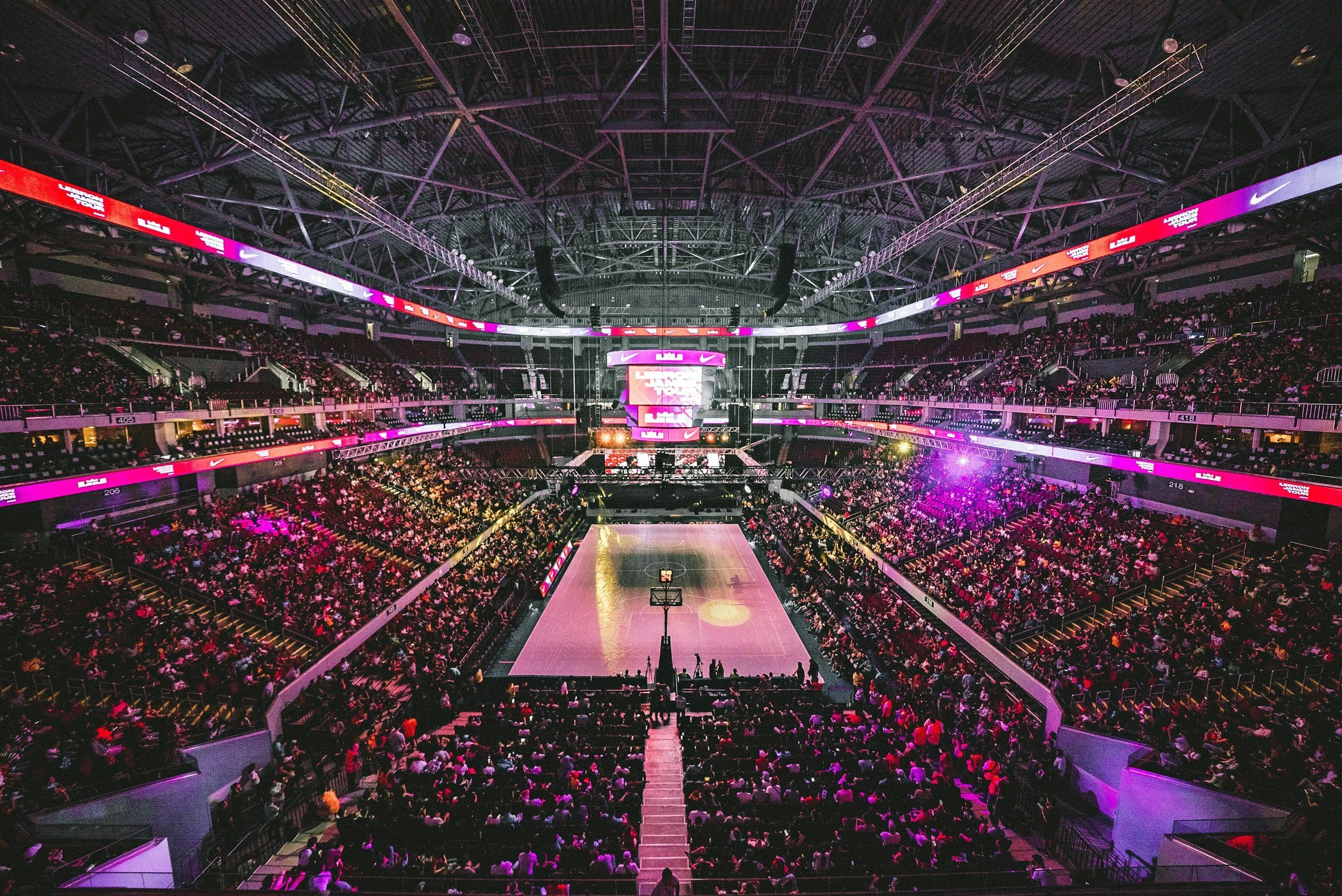
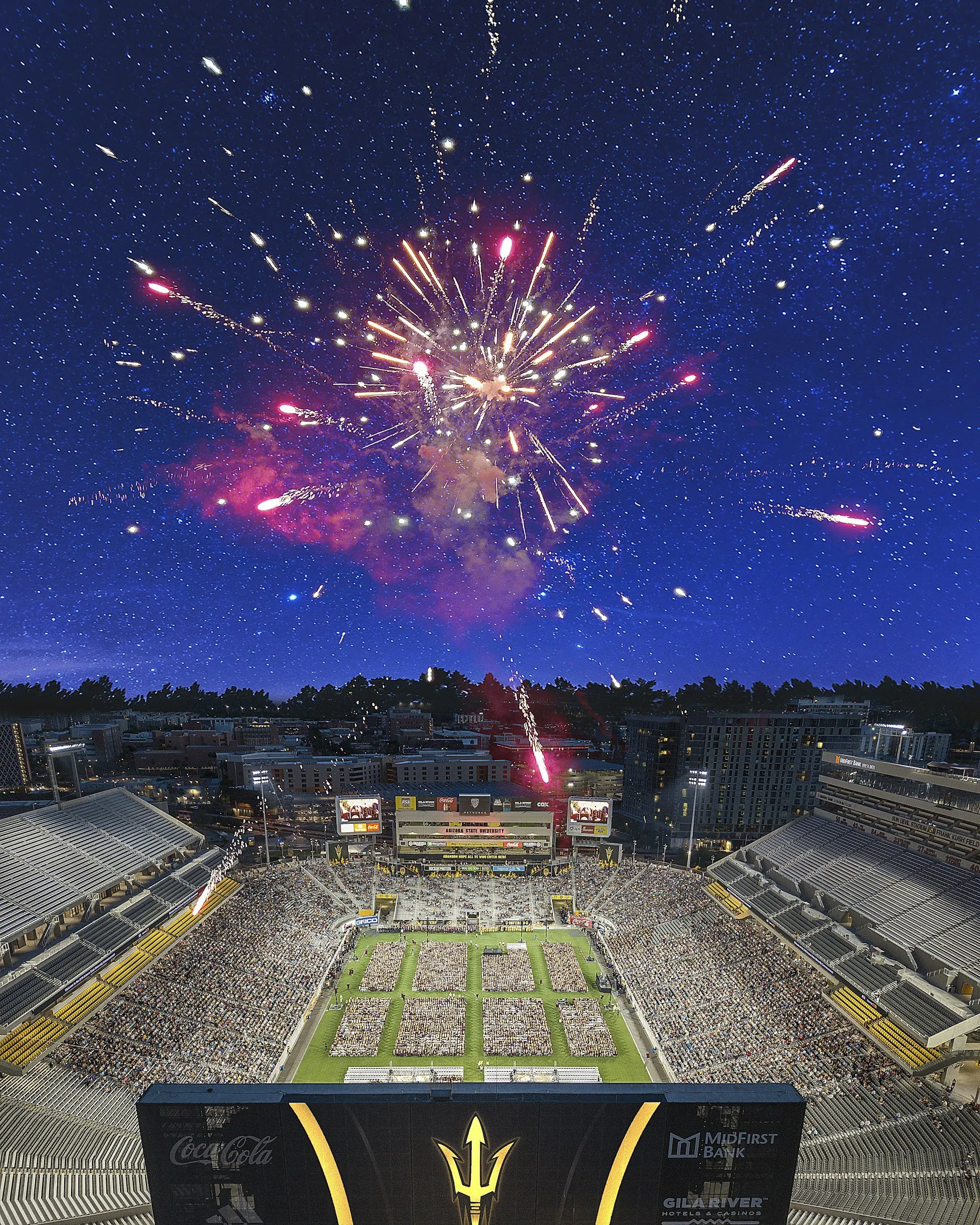
From stadiums and concert arenas to theatres, broadcast studios, houses of worship, and schools, the moments that bring people together depend on wireless audio. These experiences feel effortless to audiences, but they rely on something invisible and increasingly scarce: access to radio spectrum. Without reliable spectrum for wireless microphones and other PMSE (Programme Making and Special Events) equipment, modern live production simply does not function.
WMSA represents the professional audio, broadcast, and live production communities working to ensure long-term spectrum access for the tools that power content creation. Wireless microphones are not optional accessories — they are core infrastructure for sports, entertainment, news, cultural events, and community life. This ecosystem sustains highly skilled jobs, drives innovation, and supports a creative economy measured in trillions of dollars globally.
Wireless microphones depend heavily on UHF spectrum, particularly between 470 MHz and 1 GHz, because these frequencies provide the reliability, range, and channel capacity required for complex productions. PMSE users have a long record of highly efficient spectrum sharing, operating at low power and successfully coexisting with broadcasters, white space devices, and public safety systems. They use spectrum only where and when needed, under careful coordination.
However, the U.S. spectrum environment has changed dramatically. Successive losses of the 800 MHz, 700 MHz, and 600 MHz bands have pushed wireless microphone operations into an increasingly compressed portion of UHF spectrum. In many cities, little or no clear spectrum remains for large productions without special regulatory intervention. As a result, major events now rely heavily on Special Temporary Authorizations (STAs). STAs are unpredictable, burdensome, and not a sustainable foundation for an industry that plans years in advance.
Technology improvements have increased efficiency, but there is a limit. Innovation alone cannot compensate for continued reductions in suitable spectrum. A practical capacity ceiling is being reached in major production markets. Further spectrum loss would not just create inconvenience — it would make some large-scale events technically unviable.
This issue is urgent as the United States prepares to host globally significant events where PMSE operations are mission-critical, including America250 celebrations, the 2026 FIFA World Cup, and the 2028 Olympic Games. These events require exceptionally dense, reliable wireless audio operations across venues, broadcast compounds, and production zones. Insufficient spectrum capacity directly threatens production quality, operational safety, and international expectations.
WMSA calls on key U.S. institutions — including the Federal Communications Commission (FCC), the National Telecommunications and Information Administration (NTIA), the U.S. Congress, and the Department of Commerce — to recognize PMSE spectrum as critical national creative infrastructure. Preserving the remaining UHF spectrum between 470–608 MHz is essential, but preservation alone is not enough. Additional suitable spectrum, long-term regulatory certainty, and planning frameworks beyond temporary authorizations are needed.
Protecting spectrum for wireless microphones means protecting jobs, cultural expression, technological leadership, and the ability to stage world-class events on U.S. soil. The future of live production depends on decisions made today.
please contact: united-states@wmsa.org